Targeted treatment of varicose veins
Varicose veins are more than just a cosmetic problem.
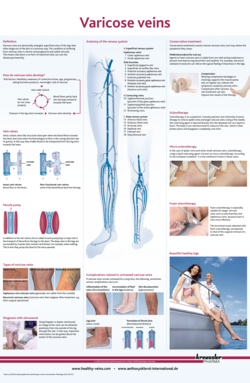
They are pathologically enlarged, superficial veins that often appear twisted or knotty on the legs. They are medically referred to as varicose veins and are found in or just beneath the skin. They range from the smallest form, spider veins, to larger varicose veins affecting side branches or truncal veins. However, the term varicose veins is often used to refer only to the disease of larger veinsin contrast to spider veins.
The condition associated with varicose veins is called varicose vein disease or varicosis. As a chronic and progressive disease, it can lead to new varicose veins forming over time, even following effective treatment. The cause is often an inherited connective tissue weakness that cannot be cured. Unchangeable risk factors such as age also contribute to its development, as do pregnancies, menopause, hormone preparations, lack of exercise, standing professions, obesity and smoking.
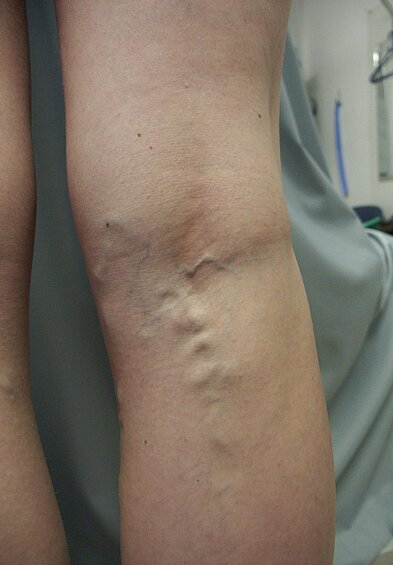
It is important to know that no treatment can permanently cure or prevent varicose veins, but it can prevent severe complications and keep the disease under control.
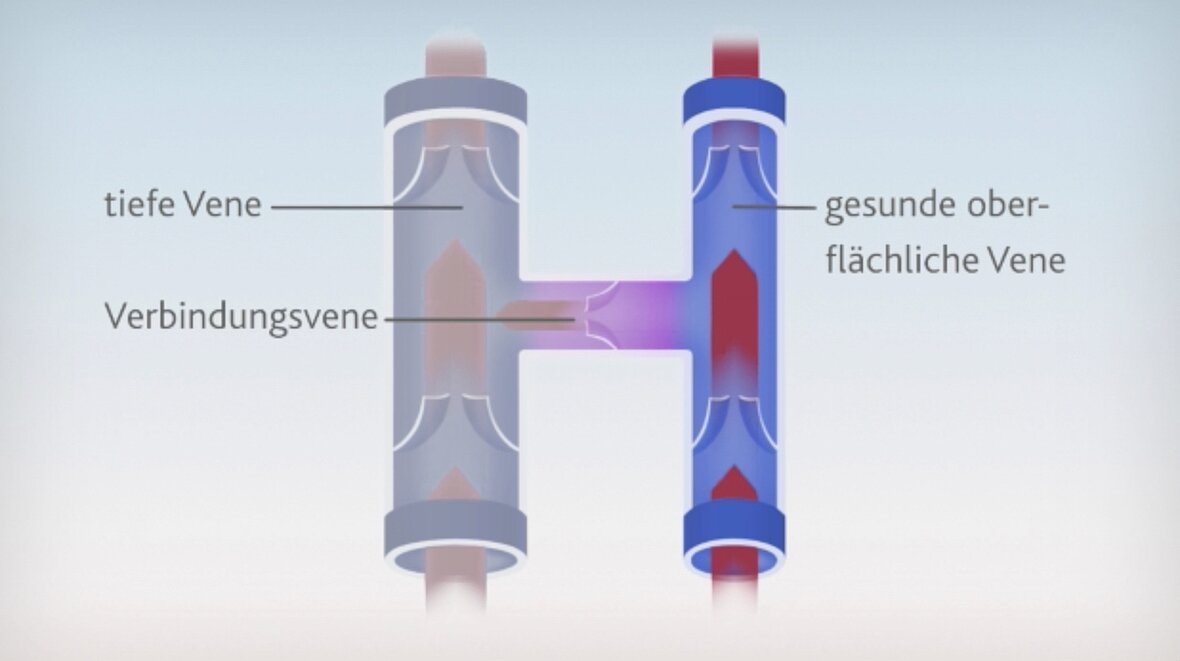
Complications resulting from untreated varicose veins
If varicose veins are left untreated over a prolonged period, impaired blood circulation can lead to skin changes and even poorly healing wounds in the affected areas, such as venous leg ulcers (“open legs”). At the same time the risk of developing blood clots increases. These so-called thromboses can block important blood vessels and, in the worst case, lead to a pulmonary embolism – the most serious complication of chronic venous disease. To prevent this, varicose veins should always be examined by a doctor. Larger varicose veins are therefore by no means just a cosmetic problem, but should be treated.
Occurrence of varicose veins
Around 60% of adults in Germany are affected by spider veins and/or small varicose veins. Approximately 31% of adult Germans already have pronounced varicose veins, which should be examined by a doctor. The condition is slightly more common in women than in men: in Germany, approximately 34% of women and 28% of men suffer from larger varicose veins.
Find out here whether you may already be affected by a venous disease:
'Foaming away' varicose veins with sclerotherapy
Nowadays, varicose veins no longer need to be treated surgically; minimally invasive, endovenous procedures can almost always be used. Thermal techniques (laser and radiofrequency treatment) use a probe placed inside the vein to apply heat, causing the varicose vein to be damaged and sealed from the inside. To avoid heat-related injury to the skin, nerves or tissue, a substantial amount of anaesthetic is injected into the subcutaneous fat layer beforehand, creating a protective barrier. Thermal procedures are generally used only for varicose veins of the truncal veins and are less suitable for tortuous side branch varicose veins.
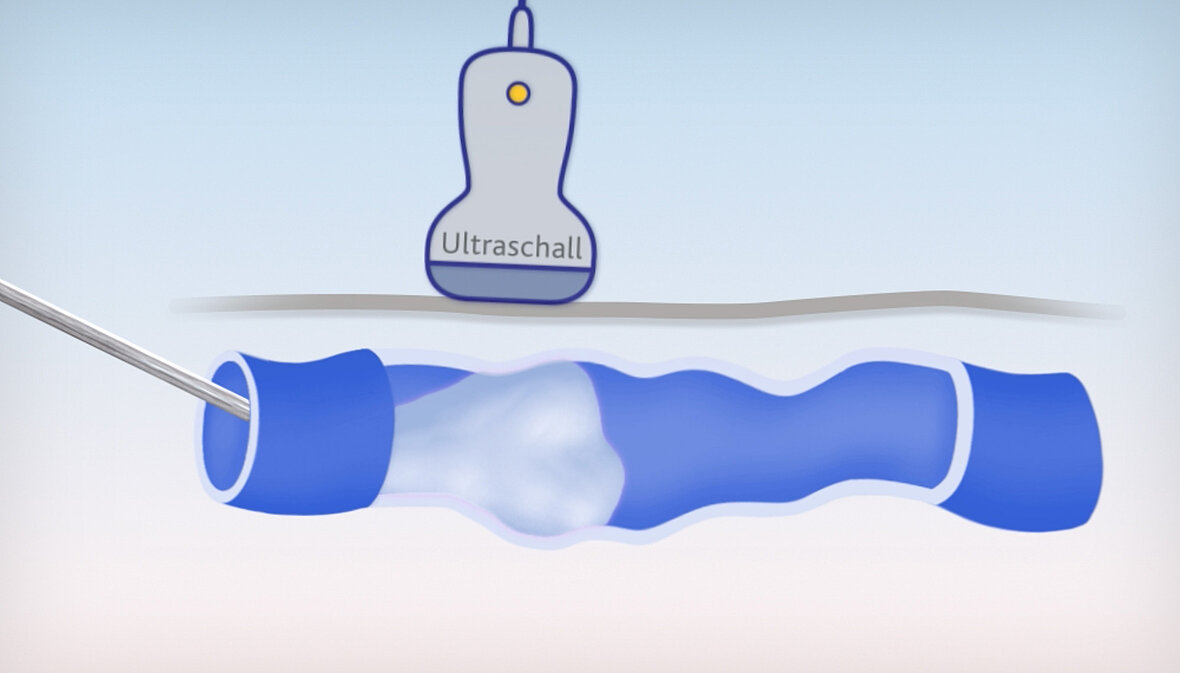
Endovenous sclerotherapy with Aethoxysklerol® is a treatment for varicose veins, in which the affected veins are effectively closed and removed by injecting a sclerosing agent. Within the vein, the sclerosing agent reacts with the vein wall, prompting the body's natural processes to seal the vein. Over time, varicose veins are converted into a strand of connective tissue, which is ideally broken down gradually by the body. The veins then disappear permanently.
In modern foam sclerotherapy a sclerosing foam is injected into the varicose veins instead of the liquid sclerosant used in traditional sclerotherapy. Since foam sclerotherapy is more effective than treatment with liquid sclerosant, it is particularly suitable for larger varicose veins, including truncal veins.
As a minimally invasive procedure, foam sclerotherapy is virtually painless and can therefore be performed without anaesthesia, on an outpatient basis and without the need of incisions.
After treatment, you can return to work immediately and resume your normal daily activities straight away. Sclerotherapy is the only treatment method suitable for all forms of varicose veins, and is also well suited for overweight and elderly people, as it usually does not require a hospital stay or periods of immobility. For larger varicose veins, several treatment sessions may be necessary to achieve the best result.
Compression therapy optimises the results of sclerotherapy and should be continued for some time after treatment.
Ask your doctor about foam sclerotherapy with Aethoxysklerol®.
Further information on spider veins, varicose veins and modern treatment options can be found at
Our vein dictionary explains the most important terms related to veins and varicose veins in an easy-to-understand way:
Find a phlebologist near you here:
FAQs
What are varicose veins?
Varicose veins are pathologically dilated superficial veins that often appear on the legs as twisted or nodular structures. In medical terminology, they are known as varicose veins and are among the most common venous disorders.
What are the different types of varicose veins?
Varicose veins of the legs can be divided into different types: Spider veins, reticular varicose veins, and varicose veins of the perforating, tributary and truncal veins. These types differ primarily in the size and location of the affected veins.
Are varicose veins common?
Yes, varicose veins are among the most common diseases worldwide and are considered a widespread disease. The prevalence increases with age. Approximately 30% of the adult population has medically relevant varicose veins.
Do varicose veins also affect men?
Although women are affected somewhat more frequently, many men also suffer from varicose veins. The predisposition is independent of gender – varicose veins occur in men as they do in women in various forms.
Are varicose veins purely a cosmetic problem?
While spider veins are often considered an aesthetic concern only, larger varicose veins may be medically relevant. They should be assessed by a doctor, as if left untreated, they may lead to serious health problems in the long term.
Detailed answers to your questions and further information on varicose veins can be found here:
Our sclerotherapy products
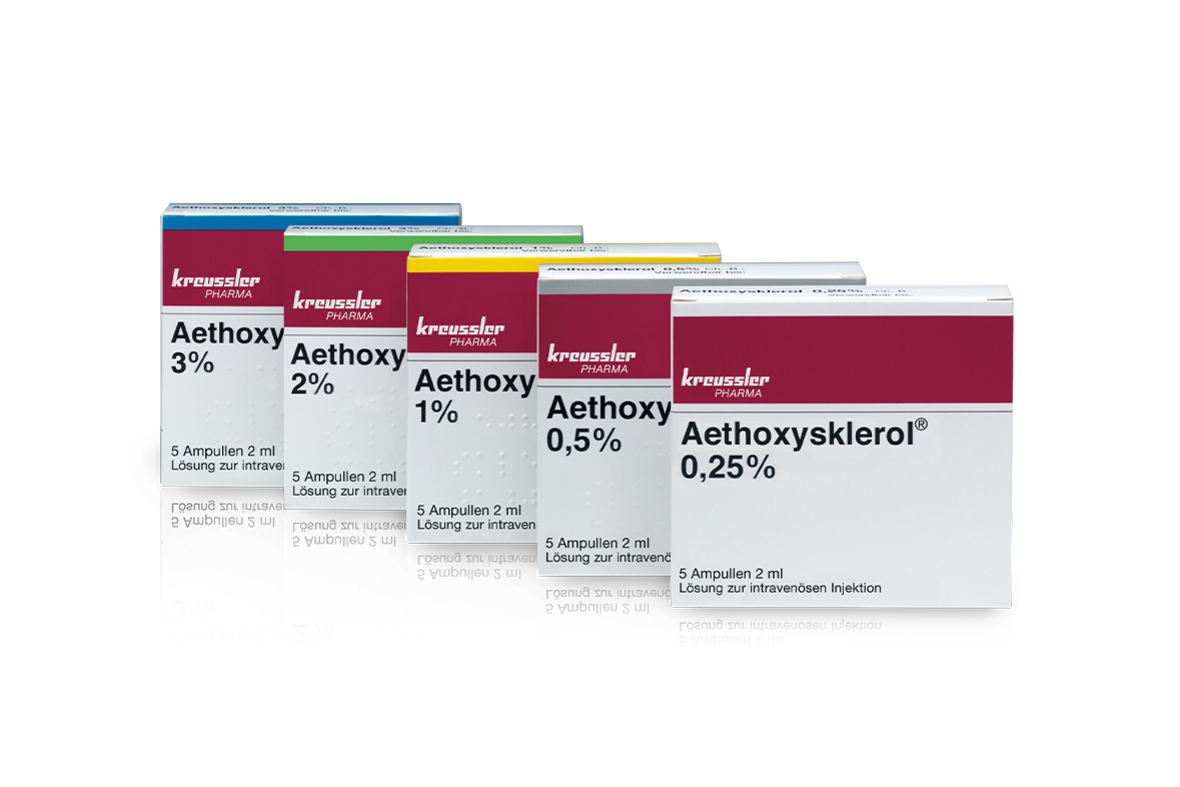
Aethoxysklerol®
In line with the German Advertising in the Health Care System Act (HWG), detailed information about this product may only be provided to a designated professional group. This includes doctors, dentists, vets, pharmacists and authorised pharmaceutical retailers.
Please find general information on varicose veins, spider veins and available treatment options here .
Downloads
Here you will find practical and easy-to-understand information on all aspects of venous health.
Download our patient guide to varicose veins and the 'Micro-sclerotherapy' leaflet for detailed background information and practical tips, and learn more about innovative treatment methods.